
Solar generators harness sunlight, turning it into electricity for indoor use. They provide an eco-friendly alternative to traditional gas-powered generators, vital for emergencies and power outages. Being combustion-free means no harmful fumes, crucial for indoor applications. A safe choice involves understanding how they work and knowing potential risks. Proper use mitigates hazards like electrical faults, while selecting reputable, certified models adds reliability. Solar generators have distinct benefits, including quiet operation and portability, making them perfect for home backup systems. This guide explores the safety of solar generators indoors, highlighting key considerations and reliable brands, ensuring you make informed decisions for your household needs.
What Makes Solar Generators Suitable for Indoor Use?
How Solar Generators Work Without Combustion or Fumes
Solar generators convert solar energy into electricity through photovoltaic panels, eliminating the need for combustion. This lack of combustion negates fumes and emissions, addressing major indoor safety concerns. The energy is stored in batteries, efficiently powering household items without noise or exhaust. The absence of diesel or gasoline ensures there’s no risk of carbon monoxide, a silent hazard presented by traditional generators when used indoors. Solar systems operate with ease and minimal environmental impact. Whether used for lighting, refrigeration, or small appliances, their clean energy creation makes them ideal for home use, particularly during emergencies or outages, offering peace of mind alongside power.
Built-In Safety Features That Protect Indoor Users
Modern solar generators boast several safety features tailored to indoor use. Overload protection mechanisms guard against excessive power draw, preventing system failures and potential hazards. Some models include temperature management that keeps devices from overheating, a common risk with prolonged use. Advanced inverters play a part by stabilizing output, reducing surges that might damage sensitive electronics. Battery management systems regulate charge cycles, prolonging lifespan while avoiding risks like overcharging. Together, these features create a reliable setup that mitigates typical indoor hazards. When these built-in safeguards are combined, they offer a layered safety approach that instills confidence in users, ensuring secure operation even in enclosed environments.
Potential Indoor Safety Risks and How to Avoid Them
Electrical, Battery, and Ventilation Risks Explained Clearly
While solar generators are notably safer, they aren’t devoid of risks. Electrical risks can manifest as poor connections or faulty wiring. Ensuring proper setup and regular maintenance helps mitigate these issues. Battery-related risks include overheating and leaking due to overcharging. Using generators with built-in battery management systems reduces this risk significantly. Ventilation remains a critical factor; solar systems don’t produce harmful fumes, but batteries can emit gases if damaged. Ensuring proper ventilation around the generator safeguards against buildup. Understanding these risks allows users to take preventive measures, ensuring the indoor use of solar generators remains safe and effective.
Practical Safety Tips for Using Solar Generators Inside Homes
Safety starts with choosing quality equipment and adhering to operational guidelines. Position the generator near windows or ventilated spaces. Regularly inspect cables and connections for wear and tear, replacing damaged components immediately. Familiarize yourself with the user manual, focusing on troubleshooting and emergency protocols. Ensure rechargeable systems are consistently monitored to prevent battery issues. Keep the generator level to avoid spills or electrical imbalance. Preferably, select models with robust safety certifications and positive reviews. An informed approach to setup and usage ensures protection from common dangers, helping maintain safety while harnessing solar power indoors effectively.
Choosing a Safe Solar Generator for Indoor Use
What to Look for in Certified and Well-Designed Models
When selecting a solar generator, verify certifications that confirm its safety standards. UL or CE marks indicate rigorous safety testing. A robust design, including durable casing and quality connectors, enhances longevity and safety. Integrated overload and surge protection features are crucial for the safe operation of electronic devices. Opt for generators with advanced battery management systems to prevent overcharging and overheating. Models with intuitive, user-friendly interfaces simplify monitoring and controls, ensuring anyone can operate them safely. Reading consumer reviews and expert evaluations helps establish reliability, ensuring the solar generator you choose is both safe and functional indoors.
Reliable Indoor-Safe Options from Anker SOLIX Solar Generators
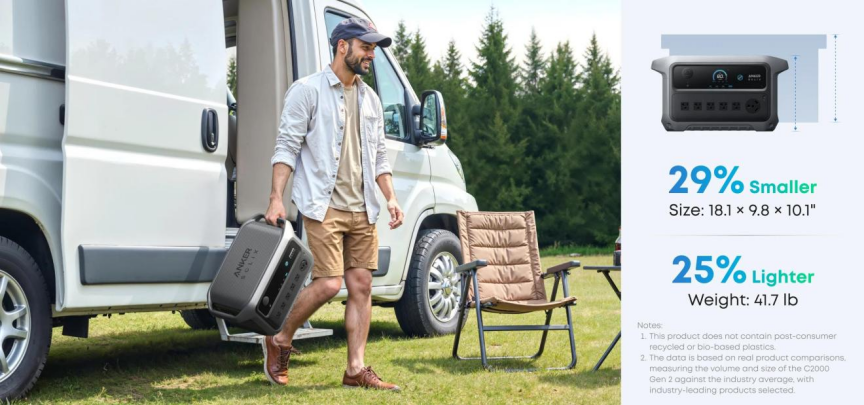
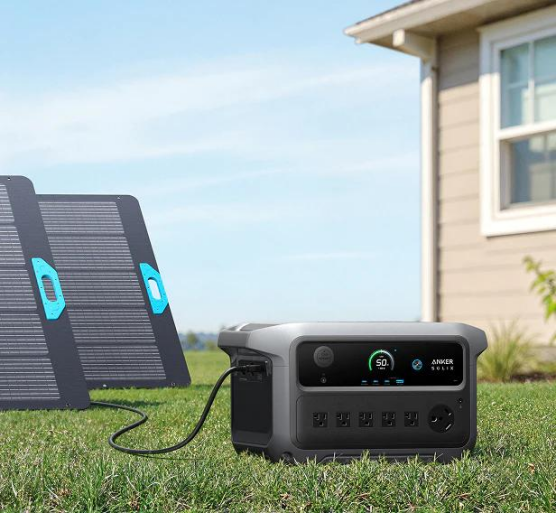
Anker SOLIX C2000 Gen 2 stands out with its ultra-efficient power for extended runtime, ideal for indoor use. It boasts expandable power capabilities, supplying energy for a dual-door fridge up to 64 hours with expansion batteries. The SOLIX features six rapid recharging options, achieving full capacity in just 58 minutes. With a massive peak power of 4,000W, it supports heavy-duty appliances safely. The generator’s high conversion efficiency rates quick solar charging, enhanced by adjustable angles, catering to varied sunlight conditions. It’s also equipped with an IP67 waterproof design, ensuring durability in diverse environments. Anker SOLIX offers unwavering reliability and safety for residential setups.
Conclusion
Solar generators serve as a safe, sustainable choice for indoor power needs, minimizing risks associated with conventional generators. By understanding their functionality and potential hazards, homeowners can implement effective safety measures. Choosing certified models, like Anker SOLIX, guarantees quality assurance and reliability. The combination of clean energy, safe operation, and practical features positions solar generators as indispensable tools for modern homes, ensuring readiness during outages and emergencies.